For years, jazz in South Africa carried the reputation of being music for older audiences. Today, that narrative is changing, and Standard Bank Joy of Jazz is leading the transformation.
Walk through the festival and one thing becomes immediately clear: young people are showing up in numbers. From university students and young professionals to musicians, content creators, and fashion enthusiasts, a new generation is embracing jazz not as something from the past, but as a soundtrack for the present.
This shift is significant. Jazz is one of South Africa’s most important cultural exports, deeply rooted in the country’s history, resilience, and artistic expression. Seeing younger audiences connect with the genre ensures that its legacy will continue for decades to come.
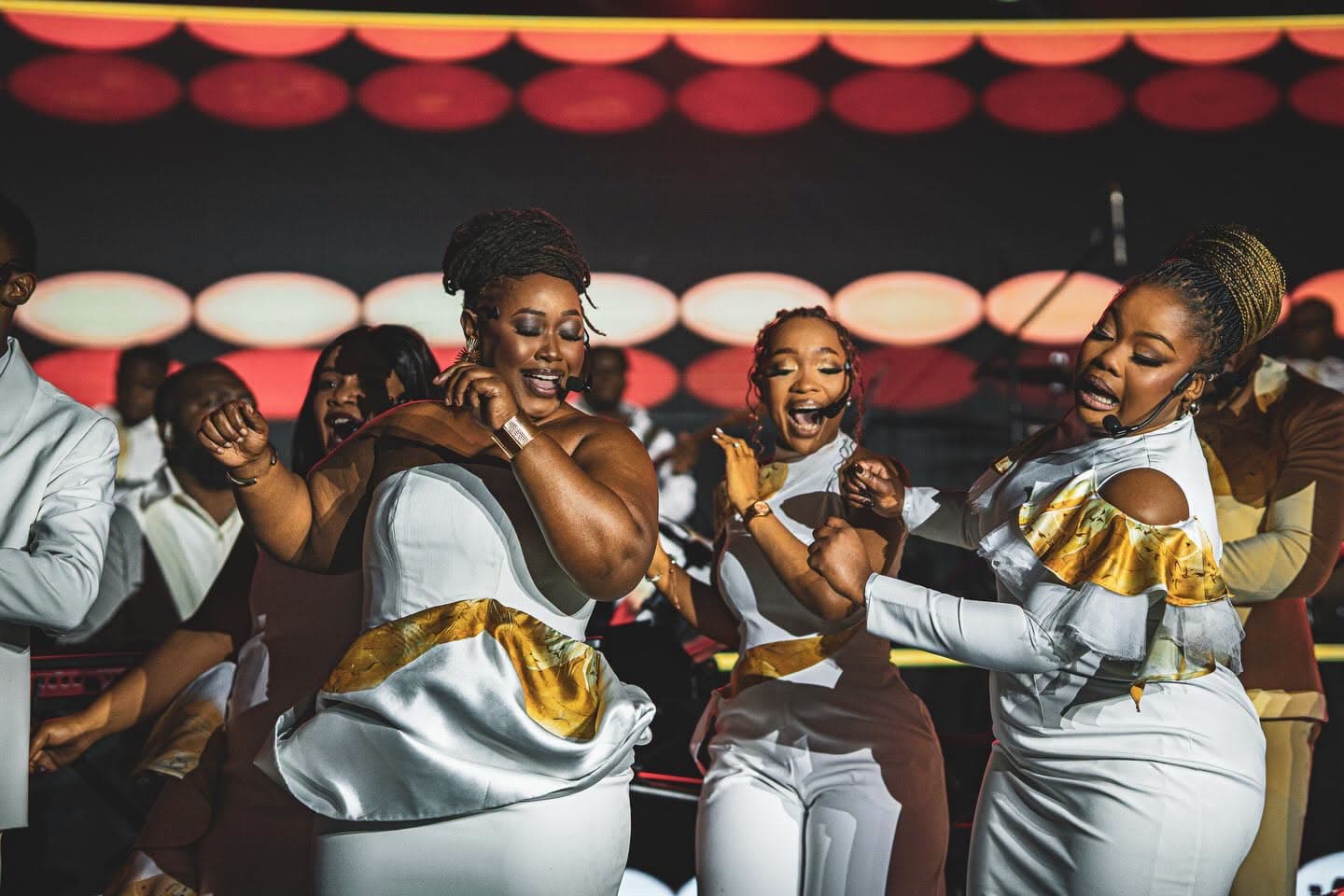
The festival has become more than a concert. It is a cultural experience where music, style, conversation, and creativity meet. Social media has amplified this movement, with young attendees sharing performances, documenting their festival looks, and introducing jazz to audiences who may never have attended before.
Today’s young listeners also have a broader appreciation for music that blends genres. Artists who move between jazz, soul, R&B, Afro-fusion, hip-hop, and amapiano have created natural pathways into jazz, making the genre feel fresh, relevant, and accessible.
What's your hot take on this story?
Standard Bank Joy of Jazz has recognised this evolution by creating an environment that welcomes both seasoned jazz lovers and first-time attendees. The result is a festival that celebrates its rich heritage while remaining connected to the future.
The growing presence of young people at Joy of Jazz is more than a trend, it is a cultural milestone. It proves that jazz is not fading; it is being rediscovered, reimagined, and celebrated by a generation determined to carry its story forward.
In inspiring young South Africans to appreciate one of the country’s greatest musical traditions, Joy of Jazz is doing more than hosting a festival; it is shaping the future of jazz itself.