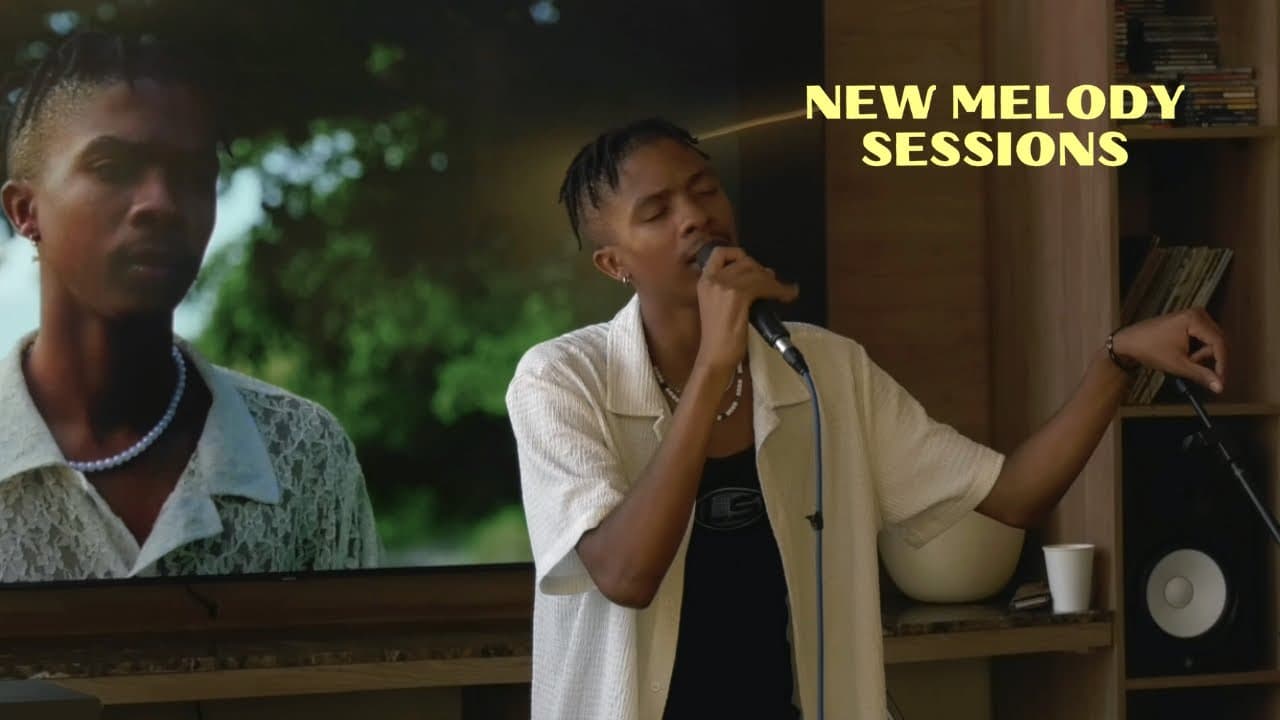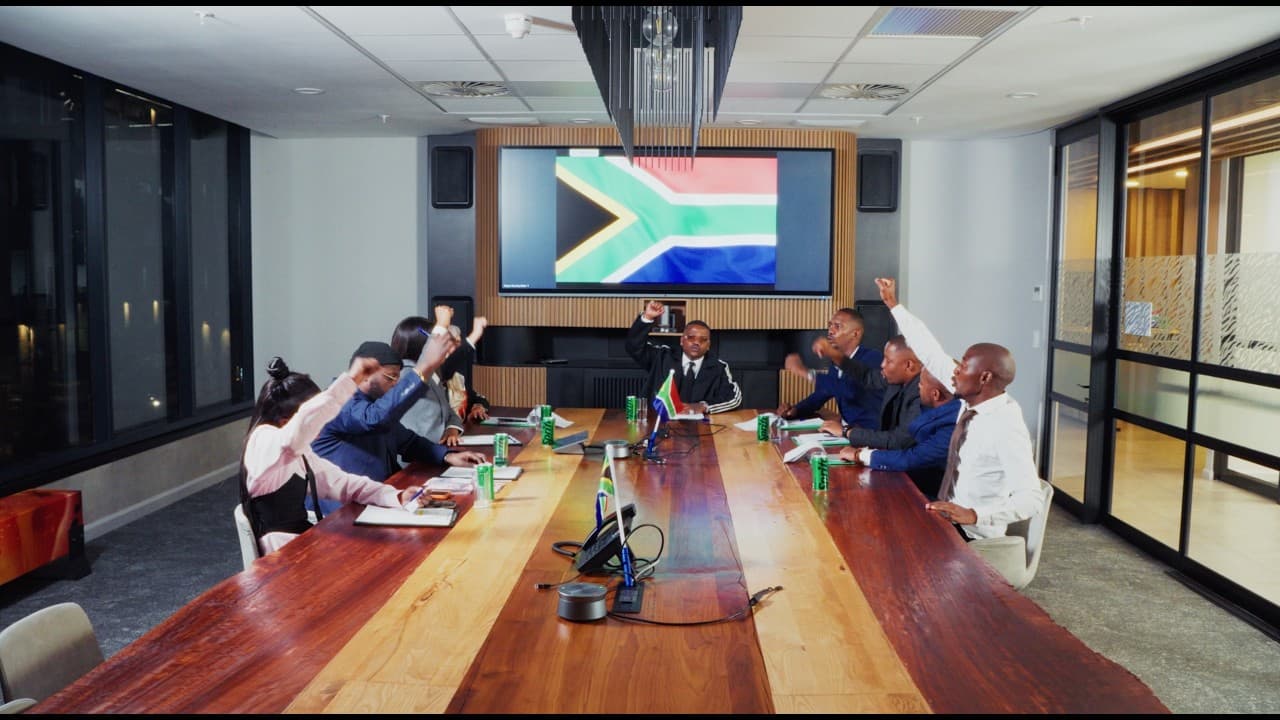
As the SABC continues to embrace the social objectives of broadcasting and amplify a human rights–driven approach, its mandate extends beyond a purely technical function, it reflects a deeper social commitment. While rapid innovation and emerging technologies have transformed how audiences consume television, radio, and content more broadly, public broadcasting must remain rooted in its core purpose.
At its heart, public broadcasting lies in its ability to create participatory spaces where citizens can share their views, engage in meaningful public discourse, and stay informed about the society they live in. While other platforms may prioritise entertainment, the SABC maintains a distinct responsibility to educate and inform, alongside entertaining its audience.
This year, the SABC’s mission is closely aligned with the celebration of 30 years of South Africa’s Constitution under the theme “Bill of Rights at 30: Making Human Dignity Real.” As the public broadcaster, the SABC plays a leading role in reinforcing this milestone by ensuring that the values of democracy, equality, and human dignity are not only acknowledged but actively reflected in its programming.
This is more than a celebration, it is a commemoration, one that the SABC is proud to uphold.
The SABC continues to uphold its mandate of delivering content that is accessible to all South Africans, regardless of socioeconomic status or geographic location. With 19 radio stations, five television platforms, and the SABC Plus streaming app, the organisation plays a vital role in ensuring equal access to information, an essential human right.
Guided by its core values of respect, trust, integrity, and quality, the SABC demonstrates that broadcasting is not solely about technology, but about people. Its programming is thoughtfully commissioned and developed to uphold dignity, promote inclusivity, and strengthen democratic values. Scheduling decisions are aligned with these principles, while extensive research is conducted to understand audience needs and ensure content meaningfully reflects and represents their lived realities.
Channel Africa, as one of its key radio platforms, also plays an important role in advancing human rights. Through it, the SABC extends its reach beyond South Africa’s borders, broadcasting across the African continent and fostering unity with other nations in their ongoing pursuit of justice and equality.
Over and above the normal programming that advocates for Human Right. This year the SABC will be covering events that mark Human Rights Month, based in the Sharpeville massacre of 1960, the SABC reminds citizens of the sacrifices made for freedom and the ongoing responsibility to protect those rights.
In order to restore human dignity, the SABC programming continues to highlight the plight of vulnerable groups such as women, children, and poverty-stricken communities while mobilising resources to support everyone affected. This alone echoes the broadcaster’s commitment to turning awareness into action.
With regards to educational and civic engagements there are documentaries, debates, and youth-focused shows that emphasise the importance of the Bill of Rights, this is to see to it that younger generations understand their role in sustaining democracy. It’s not only the youth that benefits from this educational aspect of SABC pertaining to Human Rights, but the wider public also gets educated on these issues of major importance.
Radio Stations’ Human Rights Day and Human Rights Month Programming
What's your hot take on this story?
Ukhozi FM has been running weekly expert interviews on water and environmental issues, educating listeners on sustainable management and government programmes. The interactive call-in sessions have allowed communities to share water challenges and get live responses from officials. There is still ongoing short public service announcements have reinforced awareness with water-saving tips, reporting leaks, and protecting infrastructure. Together, these activities aim to promote responsible water use and community engagement. Access to water is a basic human right, and the radio station plays a vital role in bringing attention to and advocating for this essential need.
Thobela FM’s Human Rights Day 2026 programming highlights debates on the Bill of Rights, healthcare, and youth socio-economic struggles, alongside music’s role in democracy and African human rights issues. Weekend shows commemorate the day with poetry, disability rights discussions, GBV awareness, and interviews with activists and musicians. The plan blends talk shows, interviews, sports, and cultural reflections to honour past struggles and current challenges.
Motsweding FM’s Human Rights Month programming centres on the theme Human Rights & Responsibilities. The station commemorates 21 March as Human Rights Day; honouring sacrifices made for democracy and reminding citizens that all rights are equal and interconnected. Content will explore 30 years of democracy, ongoing human rights violations, public awareness of rights and responsibilities, socio-economic factors limiting rights, and the role of ethical leadership in protecting them. The aim is to educate, reflect, and engage listeners on both the progress and challenges of human rights in South Africa today.
Ikwekwezi FM’s Human Rights Month 2026 content features a mix of interviews and listener interactions highlighting key rights issues. Programming covers children’s rights to food, relationship dynamics and consent, GBV protection, rights of children after divorce, consumer rights, and human rights in education. Discussions also explore social media’s impact on opportunities, disability rights, and cultural, religious, and linguistic freedoms. The month culminates with Human Rights Day celebrations, including a national address by President Cyril Ramaphosa and reflections from social workers and activists.
Ligwalagwala FM’s Human Rights Day content blends poetry, talk shows, and interviews to highlight key themes. Programming includes a special poem for World Poetry Day, a talk show on respecting disability rights, and interviews on music’s role in preserving human rights. Further features address GBV awareness, the history and meaning of Human Rights Day, and reflections from a freedom fighter. Short promos run throughout the day, reinforcing messages of liberty, responsibility, and protecting the rights of others. Total dedicated content amounts to 56 minutes.
Lotus FM has been actively involved in initiatives aimed at celebrating and commemorating human rights. The station emphasises the importance of recognising that every culture and language matters. One of the station’s talents, Krsna Priya Dasa, spoke about the significance of inclusivity, highlighting that everyone’s voice matters. She stated, “We all come from different backgrounds and have different stories to tell, but as a nation we are one.” She further explained how Lotus FM celebrates the diversity that makes South Africa strong during Human Rights Month.
Lesedi FM’s Human Rights Month 2026 programming covers a wide range of issues tied to democracy and rights. Weekday shows feature interviews on the Sharpeville Massacre, service delivery challenges, parental rights of unmarried fathers, freedom of speech vs social media responsibility, and police brutality. Weekend and evening segments highlight music’s role in the liberation struggle, peace-making in communities, global conflicts, and children’s rights education. Additional content explores the Bill of Rights, inclusion of disabled athletes, contract rights, race relations in sports, and dramatized features on human rights. Overall, the schedule blends history, law, social issues, and culture to engage listeners in reflecting on rights and responsibilities.
As South Africa reflects on three decades of constitutional democracy, the SABC stands as a trusted institution that not only informs but empowers. By embracing the social objectives of broadcasting, the SABC amplifies human rights, restores dignity, and ensures that every citizen has a voice in shaping the nation’s democratic journey.