In a move that is set to revolutionize the local entrepreneurial landscape, South African fintech giant Yoco has officially brought Apple’s Tap to Pay on iPhone to the South African market. This game-changing technology allows small business owners, side-hustlers, and independent creatives to accept contactless payments directly on their iPhones with no additional hardware or card machines required.
For years, the iconic blue Yoco card machine has been a staple at craft markets, coffee shops, and boutique stores across the country. However, this latest integration means the barrier to entry for professional commerce has just dropped significantly. Any merchant with a compatible iPhone and the Yoco app can now process transactions simply by having a customer tap their card, iPhone, or Apple Watch against the seller’s device.
Seamless and Secure
The rollout leverages the same high-level security and privacy features that Apple users have come to expect. When a payment is processed, Apple does not store card numbers on the device or on Apple servers. For Yoco’s community of over 200,000 merchants, this means less time worrying about hardware maintenance and more time focusing on their craft.
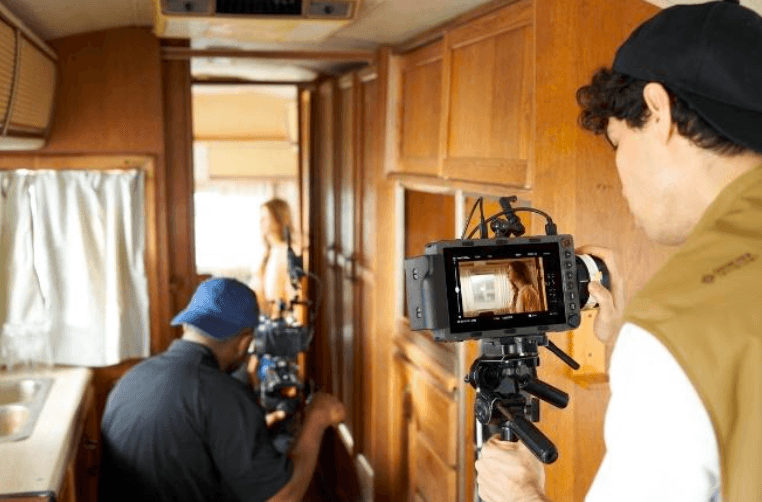
Whether you are a celebrity makeup artist on a film set in Cape Town or a street food vendor at a bustling Johannesburg festival, the ability to take payments without carrying a separate machine offers unprecedented mobility.
What's your hot take on this story?
Impact on the Creative Economy
For the entertainment and creative sectors specifically, this is a major win. Independent musicians selling merch at gigs, visual artists at galleries, and even freelance photographers can now settle invoices on the spot. It eliminates the “I’ll EFT you later” friction that often plagues small-scale transactions in the creative economy.
As South Africa continues to lead the continent in digital payment adoption, Yoco’s partnership with Apple highlights a growing trend: the smartphone is becoming the ultimate all-in-one business tool. In a country where the “hustle” is part of the national DNA, turning a personal phone into a revenue-generating machine is a massive step forward.