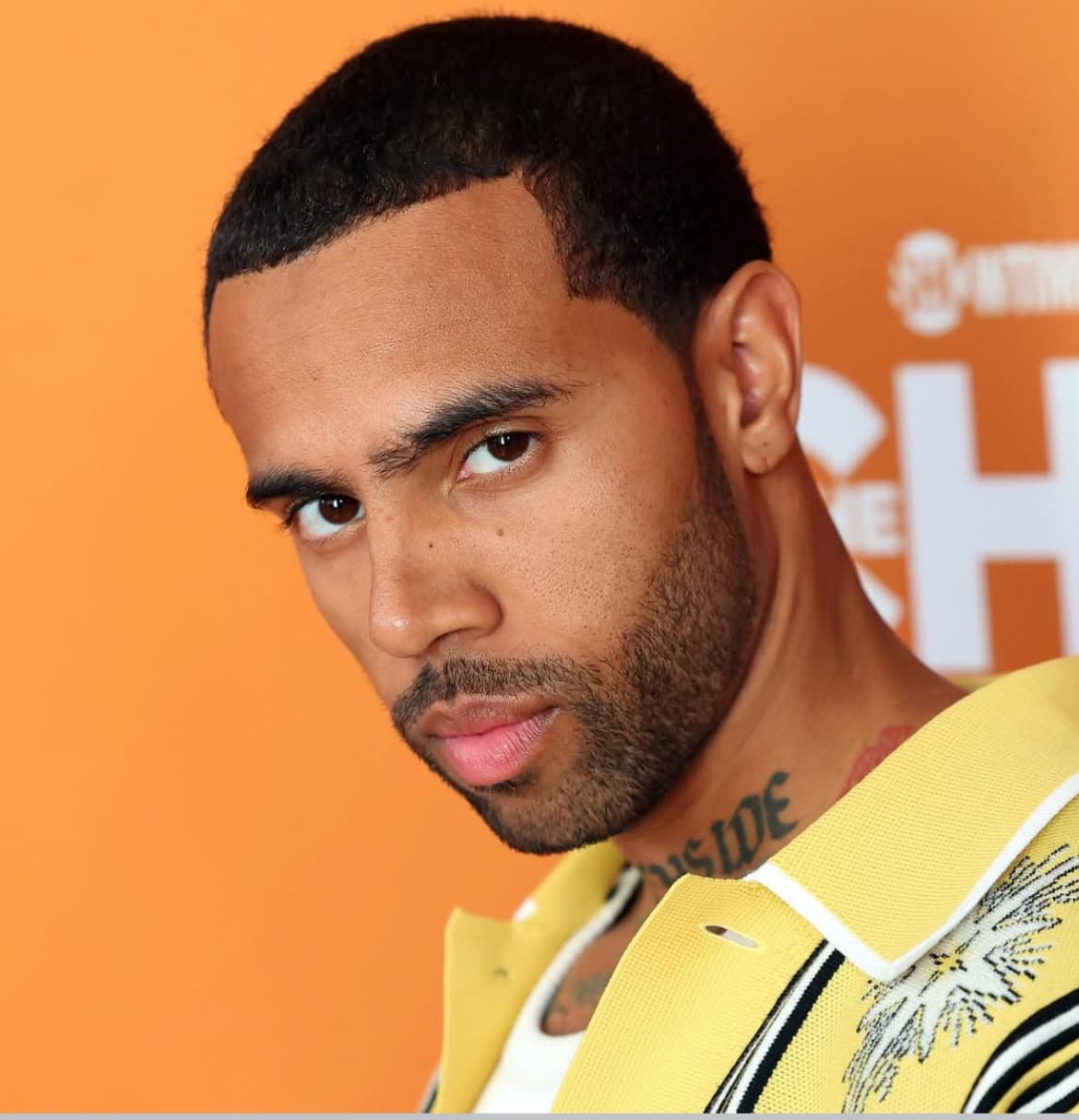
Ghanaian-American rapper and activist Vic Mensa has sparked conversation after questioning what he sees as a contradiction in how some Western countries view African people.
Speaking during an interview with One54 Africa, Mensa asked: “Why don’t they want Africans in their country until it’s time to play football?” The comment has resonated widely, highlighting the debate around immigration, national identity, and the role of African talent in global sports.
Mensa’s point focuses on a pattern many people have observed in international football. Several European national teams include players with African heritage, whose performances are celebrated by millions of fans. These athletes often become national heroes, helping their countries win trophies and bringing pride to supporters.
At the same time, immigration remains a deeply divisive political issue in many of these countries. Critics, including Mensa, argue that there is a disconnect between celebrating African talent on the field while supporting or accepting policies that make it difficult for many African migrants and refugees to enter or settle in those same nations.
What's your hot take on this story?
His comments raise broader questions about whether people are valued equally or only when their skills benefit society economically or culturally. While elite athletes are often welcomed and celebrated, many ordinary migrants face significant legal, economic, and social barriers when seeking new opportunities or safety abroad.
The issue is complex, with governments balancing border security, immigration policies, economic needs, and humanitarian responsibilities. However, Mensa believes the conversation should also include fairness, dignity, and equal treatment for all people—not just those with extraordinary talent.
His remarks have added to ongoing global discussions about immigration, representation, and how African people are perceived internationally. They also challenge audiences to think about whether admiration for African excellence in sports, music, and entertainment is matched by a broader commitment to equality and inclusion.