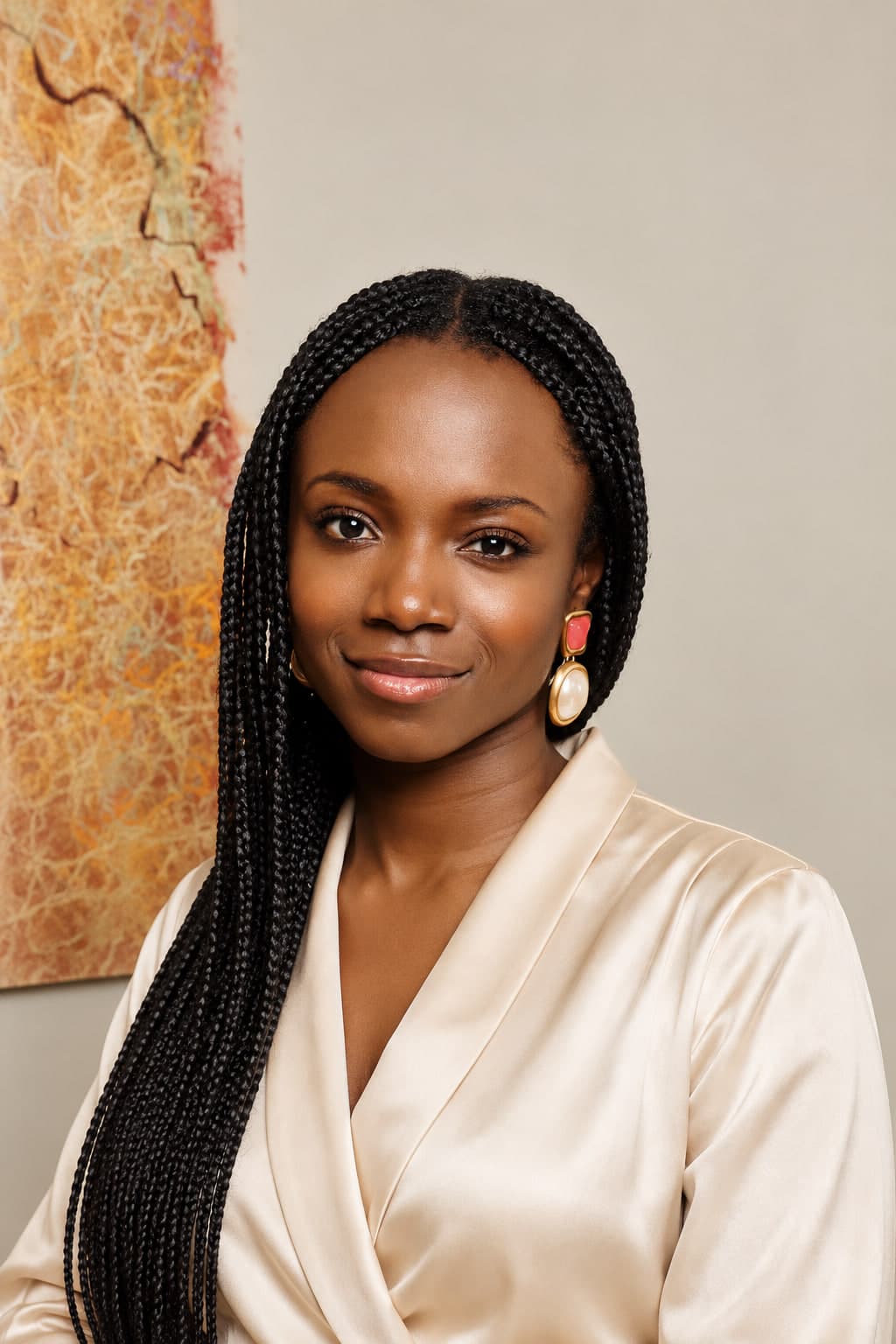
Harvard-trained engineer and entrepreneur Yinka Ogunbiyi is making waves in the beauty industry with HaloBraid, an innovative robotic device designed to make hair braiding faster, easier and more efficient.
For millions of women, getting their hair braided can mean spending hours in a salon chair. But Ogunbiyi is working to change that experience with technology that could transform the future of hairstyling.
Her invention, HaloBraid, is designed to help professional hairstylists complete individual braids up to five times faster, reducing lengthy appointments while easing the physical demands of the job.
From a Personal Struggle to a Groundbreaking Idea
The inspiration behind HaloBraid came during the COVID-19 lockdown in 2020, when Ogunbiyi attempted to braid her own hair.
What seemed like a simple task turned into a frustrating four-day experience, prompting the engineer to question why such a common beauty practice remained so time-consuming.
Drawing on her background in biomechanical engineering, Ogunbiyi began exploring how robotics could make the process more efficient.
Alongside co-founder David Afolabi, she developed HaloBraid, combining advanced engineering with the traditional art of hair braiding.
A Robot Designed to Assist, Not Replace
Unlike fully automated machines, HaloBraid is designed to work alongside professional hairstylists.
The stylist prepares and sections the hair before starting each braid manually. The robotic device then completes the repetitive weaving process, allowing the stylist to maintain control over the final hairstyle.
According to the company, the technology can finish individual braids up to five times faster than traditional methods.
The innovation aims to shorten salon appointments while reducing the repetitive hand movements that can cause discomfort and physical strain among professional braiders.
For customers, this could mean spending significantly less time in the salon without sacrificing the quality of their hairstyles.
A $7 Million Investment in Beauty Technology
What's your hot take on this story?
Ogunbiyi's vision has attracted significant financial backing.
In June 2026, Halo announced that it had secured $7 million in seed funding, led by Seven Seven Six, the venture capital firm founded by Reddit co-founder Alexis Ohanian.
The investment will support further product development, manufacturing and partnerships with professional salons.
The startup has also attracted considerable industry interest, with more than 7,000 salons reportedly joining its waiting list.
Before securing the investment, HaloBraid won the grand prize at Harvard's 2025 President's Innovation Challenge, receiving $75,000 to support its development.
Could HaloBraid Transform South African Salons?
Braided hairstyles remain an important part of South African beauty culture, with knotless braids, box braids and other protective styles continuing to be popular choices.
However, these hairstyles often require several hours of work, making the braiding process demanding for both customers and hairstylists.
HaloBraid could offer a practical solution by helping salons serve more clients while reducing the physical strain associated with long appointments.
Although the technology's availability in South Africa has not been confirmed, its development highlights the growing potential for robotics in the beauty industry.
For Ogunbiyi, the innovation represents more than simply speeding up hair appointments. It is about using engineering to solve a familiar problem while supporting the professionals who keep the industry running.
From spending four days braiding her own hair to building a multimillion-dollar technology startup, Yinka Ogunbiyi is demonstrating how everyday challenges can inspire innovations with global potential.
With HaloBraid attracting international attention, one question remains: could robotic braiding soon become part of the salon experience in Mzansi?